Your Cart is Empty!
Please Wait.....
*الصور المعروضة لأغراض توضيحية فقط، وقد يختلف المنتج الفعلي قليلًا.
يتم التوصيل عادة خلال 1–2 يوم عمل بعد تأكيد الطلب. يرجى مراجعة سياسة التوصيل .

تفاصيل المنتج

  • Euro 4 & Euro 5 (engines specifications)
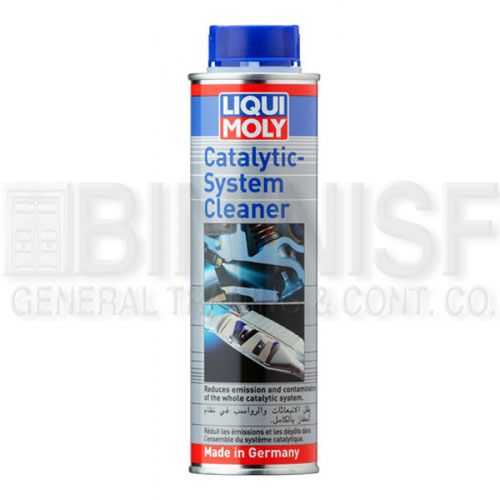
  • Since October 2000, the EU-recognized legislation permits NOx emissions up to 3.5 g / kWh. The next directive, known as Euro 5, which the carmakers have to fulfill until October 2009, regulates NOx emissions to 2.0 g / kWh. Selective Catalytic Reduction System (SCR)
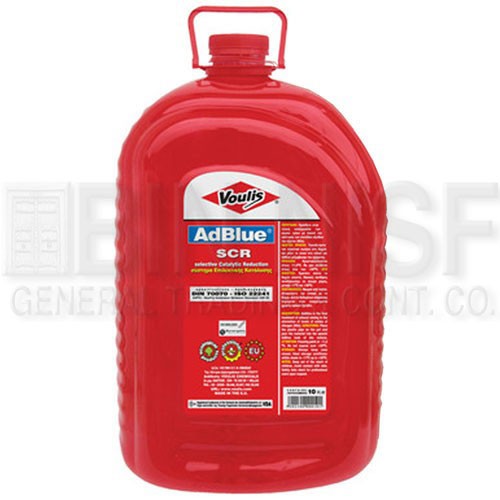
  • This method combines exhaust emission, which aims to absorb substances such as nitrogen oxides (NOx) with improved engine ignition, which works in conjunction with a treatment system. The main factor of the procedure is the use of AdBlue.
  • This dilution is injected into the exhausts before reaching the catalyst. The high heat generated at this point converts AdBlue into ammonia. The ammonia and the counter-nitrogen oxides then react to each other while penetrating the catalyst and the two elements that are not harmful to the atmosphere; nitrogen and water vapor. AdBlue Quality
  • It is important to refer to the quality of AdBlue that should be high. The use of an additive that does not meet the requirements of DIN 70070 causes a variety of problems starting from the high exhaust emission and going up to the wholesale disposal of the catalyst. At the same time, the exhaust fumes cannot be properly discharged from the catalyst in a timely manner, which can cause various engine problems due to the pressure of these fumes. This is due to the low quality AdBlue, which reduces the size of the catalyst pores and makes the catalytic elements inoperative. AdBlue Quantity
  • Considering the amount of AdBlue required in the SCR system, it depends on the needs we want to meet. In this way, the additive must be 3% -4% of the fuel to comply with the requirements of the existing legislation recognized as Euro 4; For the condition of Euro 5, it should be 5-7% of this.
  • This is a particularly positive method, because the same method can meet future adjustments without the need to charge the engine. Benefits
  • The main advantage of SCR technology is that it reduces Nitrogen Oxide (NOx) emissions by up to 90% while reducing hydrocarbon (HC) and coal monoxide (CO) pollutants by 50-90% and PM by 30-50%.
  • Moreover, the Selective Catalytic Reduction System (SCR) offers additional advantages. Requires minimum and low maintenance costs; it does not affect the remaining parts of the vehicle and their periodic maintenance. Last but not least, the SCR system is less susceptible to lower quality diesel than other methods recommended to meet Euro 4 and 5 guidelines. Selective Catalytic Reduction System


تقييمات العملاء

لا توجد تقييمات حتى الآن


اكتب تقييمك

منتجات ذات صلة